


randstad: jobs for workers
4.51.16K Reviews
App Specs
- Version
- 8.2.0
- Updated On
- License
- Free
- Downloads
- 1,000,000+
- Developer
- randstad at work
- Categories
- Business
- Platform
- Android, iOS
Screenshots
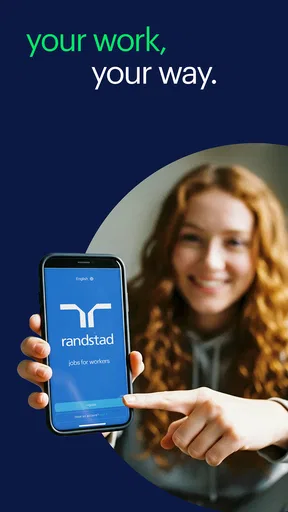
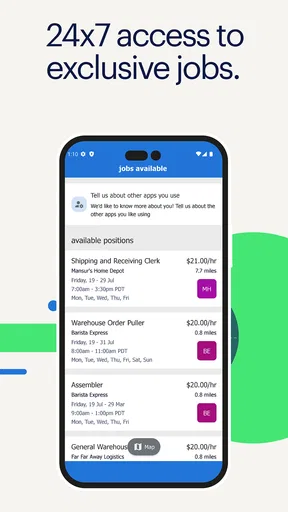
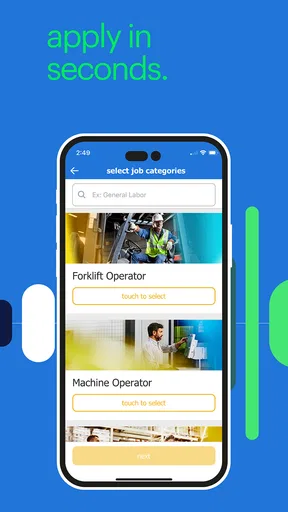
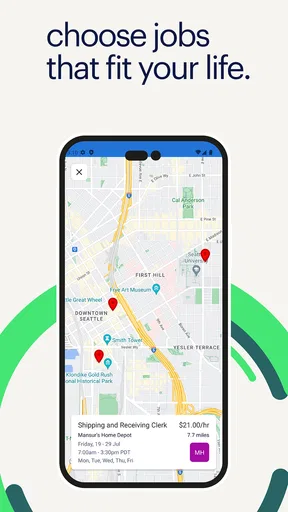
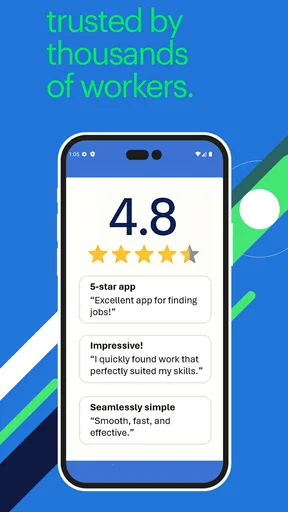

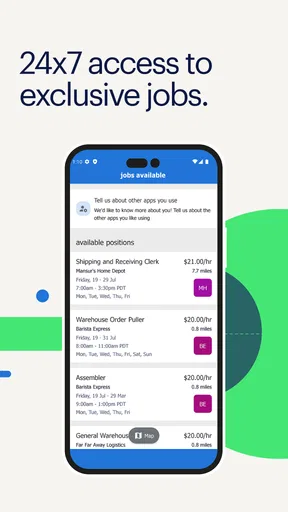
 Analysis by AppCompare
Hey there, job hunters! If you’re on the lookout for new opportunities and want to skip the endless scrolling through job boards, then let me introduce you to randstad: jobs for workers. This app is like having a personal recruiter right in your pocket, helping you find job matches that suit your skills and preferences. I’ve taken it for a spin, and here’s what I found.
What free access means for a job search
The app is free, which makes it easy to try alongside whatever job-search routine you already have. I see that as a useful low-risk starting point, not a promise that every part of the hiring process happens inside the app. The practical value is whether it helps you find relevant openings and keep your search manageable; you can judge that before making it your main tool.
Randstad at work, the developer, positions this as a business app for workers looking for nearby and temporary opportunities. It has an average rating of 4.4 from around 7,800 ratings, and it has been installed over a million times. Those figures suggest that plenty of people have tried it, but they don’t tell me whether the jobs shown will fit your location, experience, or schedule. For that, the quality of the listings you actually see matters more than popularity.
It’s rated for Everyone, and the current version is 8.1.1. The app first appeared in November 2021, so this is an established service rather than a brand-new experiment. I’d still treat the number of local matches as something to check for yourself: a job-search app can feel busy in one area and sparse in another, especially if you need a narrow specialty or a very specific shift.
Getting Started with Ease
The first thing that struck me about randstad: jobs for workers is how user-friendly it is. You’ll kick things off by creating a profile, which feels more like setting up a social media account than anything tedious. They ask for the usual suspects—your work experience, skills, and job preferences. But what’s cool is they also let you upload your resume, making it super easy for potential employers to check you out.
Once your profile is set, the app does its magic. It uses your information to suggest jobs that match your profile. No more random job listings that don’t make sense; this app is all about relevance. And who doesn’t love a bit of personalized job hunting?
Building a profile that can actually help
I’d approach the profile as a working document, not a one-time setup chore. Start with the skills and experience you can explain clearly in an interview, then make the job preferences reflect your real limits: the places you can reach, the kind of work you’ll consider, and whether temporary work is genuinely useful to you. A broad profile may surface more possibilities, but it can also make recommendations feel less focused. A careful profile gives the matching system better context and gives you a more useful starting point for deciding what to pursue.
Worth Reading Before You Choose

EA SPORTS FC Mobile 26 Is a Bigger Football Game, but It Takes Time

Flipboard Shows What News Apps Must Do Beyond the Feed

Switching to Android Auto Means Rethinking Your Driving Routine

Google Calendar Makes a Crowded Week Easier to Manage

Ludo King Makes the Most of the Minutes Between Plans

Baby Panda World Brings Quick Play to Modern Phones, but Its Game Library Feels Busy
Resume upload is convenient, but I wouldn’t assume it replaces checking the rest of your profile. Before applying, make sure the information you’ve entered and the resume tell the same story, especially around recent roles and skills. That small review can save you from sending an application that looks incomplete or inconsistent. If you’re changing fields, describe transferable skills in plain terms rather than relying on a job title alone; that gives you a better chance of recognizing relevant openings when they appear.
Browsing and Applying
Now, let’s talk about the job search feature. The app’s interface is clean and intuitive. You can filter jobs based on location, industry, and even work type—full-time, part-time, or temporary gigs. The search function is robust, and I found it easy to sift through listings without getting overwhelmed.
When you find a job that piques your interest, applying is a breeze. Just a couple of taps, and you’re good to go. Plus, the app keeps track of your applications, so you know exactly where you stand with each opportunity. It’s like having a personal assistant keeping everything organized for you.
Making nearby results practical
Location is more than a pin on a map when you’re looking for work. I’d use the location filter with a realistic commute in mind, rather than widening it just to make the results page look fuller. An opening that is technically nearby may still be a poor fit if transport, travel time, or shift hours make it difficult to reach. Temporary work can be especially sensitive to this: a quick start is less useful if getting there reliably is a problem.
When comparing listings, I’d look beyond the job title and check the details that affect your day-to-day life: the type of work, the location, and whether the schedule suits you. Save your attention for roles you could actually accept, then use the application tracker as a simple record of what you’ve already pursued. That’s a more dependable workflow than tapping through every appealing title and later trying to remember which employer received which application.
A realistic use case is someone whose current shifts have become unreliable and who wants to find temporary work closer to home. They can set up a profile around relevant experience, narrow the search to a workable area, and check the app for suitable openings during a break. Rather than applying to everything, they can compare a few realistic options and keep track of the ones they pursue. The benefit here is not a guaranteed job; it’s a more organized way to act quickly when a plausible opening appears.
How it fits beside other job-search tools
I wouldn’t make this the only place you look. General job boards can be better when you want a wide sweep across employers and job types, while a company’s own careers page is useful when you already know where you want to work. A staffing-focused service can be more appealing if you’re open to temporary roles or want a more direct route into local work. The sensible approach is to use this app for the kind of opportunity it serves, then cross-check promising roles through other channels when that helps you understand the employer or the position.
There’s a trade-off between convenience and breadth. Personalized suggestions and filters can cut down irrelevant browsing, but they depend on how accurately your profile and preferences describe what you want. If you’re seeking a highly specialized career move, senior role, or openings across many regions, a broader search may give you a better overview. If speed, nearby work, and temporary options matter more, this app is easier to justify as part of your routine.
Real-Time Updates and Notifications
One of the standout features for me was the real-time updates. The app sends you notifications about new job matches, application status changes, and even reminders for interviews. It feels like having a career coach giving you a nudge at just the right time. No more missed opportunities because you forgot to follow up or check your email.
I’d treat notifications as prompts, not as a substitute for checking an application carefully. A message can bring a new match or status change to your attention, but you still need to read the job details and decide whether the role works for you. If alerts start interrupting your day, adjust how you handle them rather than letting every notification dictate your next move. A planned check-in during a break can keep the search active without turning it into a constant distraction.
Building Connections and Feedback
Networking is crucial in today’s job market, and the app understands that. You can connect with recruiters directly through the platform, which is a fantastic way to make a personal impression. It also allows you to receive feedback from potential employers, giving you insights into how you can improve your application game.
Moreover, the app has a feature where you can rate and review your job experiences. This not only helps you reflect on your career journey but also provides valuable insights for other users. It’s like leaving a breadcrumb trail for fellow job seekers to follow.
Using recruiter contact thoughtfully
Direct contact is most useful when you have a clear, specific question about a role or your application. I’d keep a short note of the job title and the point you need clarified before reaching out, so the conversation stays focused. It can help you make a more considered impression than sending a vague message, and any reply or feedback can guide what you do next. I would still keep my expectations realistic: getting a channel to a recruiter is not the same as having an interview or an offer in hand.
The option to review a work experience also calls for a little care. I’d use it to record practical observations while they’re fresh, and keep comments fair and grounded in what happened to me. That makes feedback more useful to other workers and more valuable as a personal record. It’s a different kind of contribution from applying for a job, so it should complement your search rather than take time away from checking openings that fit.
Who will get the most from it
I think the app is best suited to workers who are open to nearby roles, want temporary work to remain on the table, or prefer doing job-search admin from a phone. It may also suit someone returning to work who wants to start with a clear profile and manageable search rather than juggling a long list of browser tabs. If you already have a narrow target employer or need a specialized professional network, I’d pair it with sources built around that goal instead of expecting one app to cover everything.
It’s also not the right fit if you only want to browse casually and aren’t prepared to keep your work history and preferences current. Recommendations are only as helpful as the context you give them, and old details can steer your search away from the roles you actually want. Before deciding that the app has nothing relevant, I’d review the profile and filters once; if the results still don’t match your needs, another job board may be a better use of your time.
Wrapping It Up
All in all, randstad: jobs for workers is a solid companion for anyone serious about finding their next job. It’s efficient, user-friendly, and packed with features that make job hunting less of a chore. Whether you’re fresh out of college or a seasoned professional looking for a change, this app has something to offer.
So, if you’re ready to take your job search to the next level, give this app a try. It’s like having a career fair in your pocket, minus the awkward handshakes. Happy job hunting!
My buy-or-skip verdict
Because it’s free, my decision isn’t about weighing a purchase price against a list of paid features. I’d try it if nearby or temporary work fits my plans, complete the profile carefully, and see whether the results are genuinely useful in my area. I’d skip relying on it as my sole route if I needed an unusually specialized role or a broad, multi-region search. In short, it’s worth adding to a job hunt when its local focus matches what you need, while other channels remain useful for filling gaps.
Pros
- User-friendly interface for easy navigation.
- Wide range of job categories available.
- Personalized job recommendations.
- Real-time job alerts and notifications.
- Seamless application process within the app.
Cons
- Limited offline functionality.
- Occasional app crashes reported.
- Some features require account creation.
- In-app ads can be distracting.
- Location services may drain battery.
FAQs for randstad: jobs for workers
What features does the Randstad app offer to job seekers?
The Randstad app provides a comprehensive platform for job seekers, offering features such as personalized job recommendations, resume building tools, and a seamless application process. Users can also set job alerts, track application statuses, and explore career resources to enhance their job search experience. The app's user-friendly interface ensures easy navigation and efficient job hunting.
Is the Randstad app available on both Android and iOS devices?
Yes, the Randstad app is available for both Android and iOS devices. Users can download it from the Google Play Store or the Apple App Store. The app is optimized for various devices, ensuring a smooth and consistent user experience across different platforms, making it accessible to a wide range of job seekers.
How secure is my personal information on the Randstad app?
Randstad prioritizes the security of your personal information. The app uses advanced encryption methods to protect user data and ensure privacy. Additionally, Randstad adheres to industry-standard security protocols and complies with relevant data protection regulations to safeguard your information while using the app.
Can I apply for jobs directly through the Randstad app?
Absolutely! The Randstad app allows users to apply for jobs directly within the app. You can upload your resume, fill out applications, and submit them with just a few taps. The app also enables you to track the progress of your applications, making the job search process more streamlined and efficient.
Are there any fees associated with using the Randstad app?
No, there are no fees for using the Randstad app. It is completely free to download and use, providing a wealth of job opportunities and resources without any cost to the user. This makes it an accessible tool for anyone looking to advance their career or find new job opportunities.


